
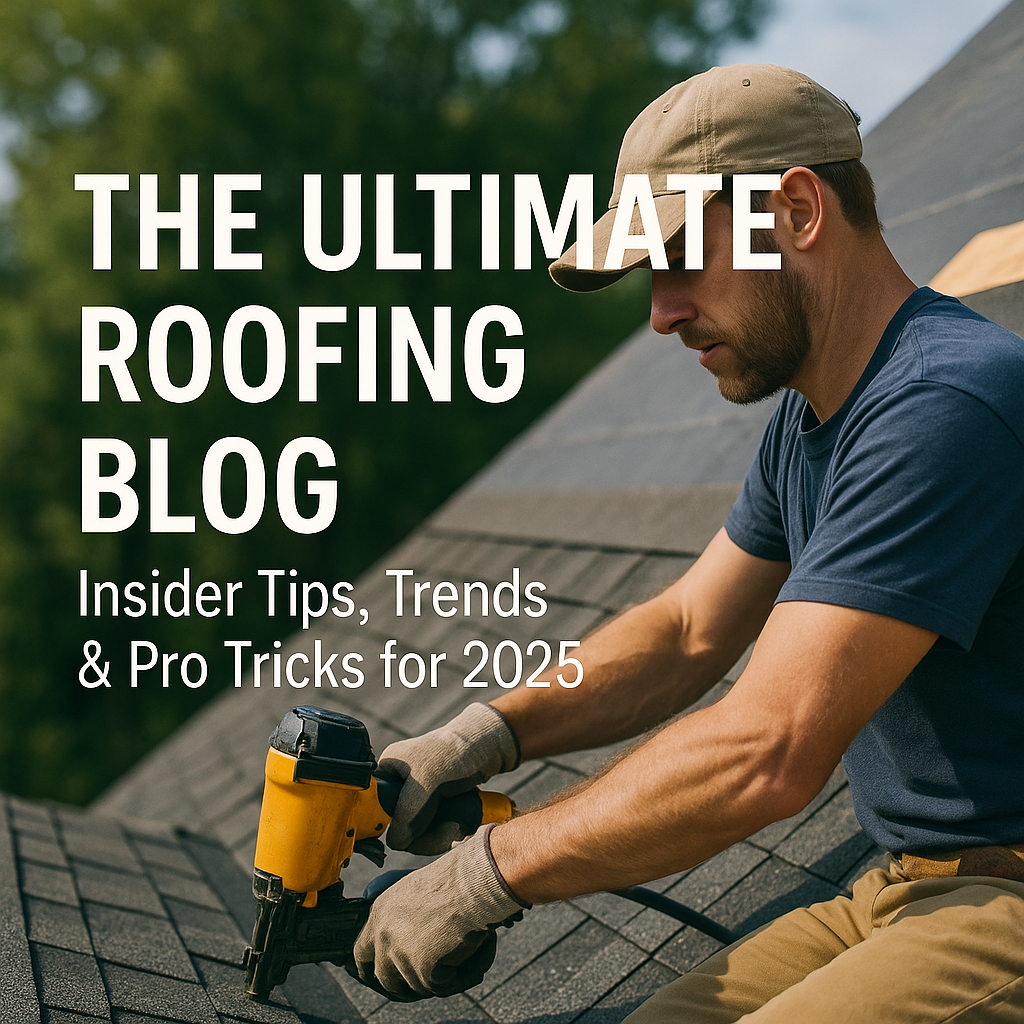
What does it take for a roofing blog to cut through the noise in 2026? Spoiler alert: a whole lot more than tossing a few “how-to patch a shingle” posts on your WordPress install. Homeowners are savvier, Google’s algorithm is smarter, and even your local competitor down the street is pumping out TikToks showcasing rain-soaked drone footage. If you want to own search, convert readers and build brand equity this year, you need a battle-tested publishing playbook—one built on data, storytelling, and conversion science. That’s exactly what you’ll get below, courtesy of the same team that helps HVAC contractors dominate local SERPs every single day: HVAC Marketing Xperts (HMX).
Why 2026 Is a Game-Changer for Roofing Companies
Last year’s ranking factors won’t save you now. Google’s Helpful Content Update, the rise of SGE (Search Generative Experience), and AI-enhanced consumer expectations have shifted the ground under every roofer that relies on organic traffic. We’ve seen the same shockwaves in HVAC; contractors who ignored EEAT, Core Web Vitals or schema lost up to 37% of organic calls overnight (source). The takeaway? If you’re treating your roofing blog as an afterthought, you’re 3 algorithm shakes away from invisibility.
At HMX we live by a single mantra: “No guessing games—just results backed by data.” That applies whether we’re climbing the map pack for a furnace tune-up keyword or pushing a commercial flat-roof term to the #1 spot. In other words, everything you’re about to read is field-tested, monetized, and ready for your CMS.
The Data Behind Modern Roofing Blog Success
The best creative ideas crumble without numbers to back them up, so let’s look at a few must-know stats:
- 89% of homeowners begin their roofer research with a search engine.
- 61% of clicks go to the top three organic results—paid ads included.
- Pages exceeding 1,400 words get 80% more backlinks in the home-services vertical.
Notice what’s missing? Length alone does not equal success. What matters is entity-rich content that solves user intent. Our Head SEO Strategist, Bobby Gillespie, calls this the “revenue relevance factor.” His rule: “Every keyword in a roofing article must be able to trace a line to a booked inspection.”
1. Entity-Focused Topic Clusters Beat Random Posts
Instead of a single catch-all “roof repair” guide, build micro-clusters:
- Emergency tarping guide (residential)
- Commercial BUR vs. TPO cost comparison
- Storm-damage insurance checklist for Florida roofs
Each cluster fuses core keywords (roofing blog, roof repair tips, metal roof longevity) with supporting entities (underlayment, class 4 shingles, hail impact rating) so Google understands depth. We deploy the same tactic for HVAC clients (see our HVAC SEO Guide).
2. Core Web Vitals ≠ Optional
You can’t expect a reader to wait 4 seconds for your gallery of ridge-cap photos. If LCP creeps past 2.5 s, bounce rates skyrocket. Our web team routinely trims load time for roofers with lazy-loading, next-gen image formats and lightweight CSS, the same principles we outline in HVAC Website Design Ideas.
Core Trends Shaping the Roofing Blogosphere in 2026
AI-Driven Visual Estimations
Homeowners love interactive tools. Embedding AI-powered roof-area calculators increases time-on-page by an average of 42%. Turn the calculator answer into a soft CTA—“Ready for a precise drone inspection? Schedule today.”
Sustainable Materials Storytelling
Search demand for “cool roofing membrane,” “recycled composite shingles,” and “solar-integrated tiles” exploded 112% YoY. Blog posts that weave energy savings and ESG talking points into standard repair advice outperform generic content every time.
Local-First SEO & Hyper-Niche Service Pages
“Roof repair Dallas” is nice, but “GAF Timberline HDZ replacement in Lake Highlands” converts. Local modifiers, neighborhood names, and HOA-specific references flip lurkers into leads. (Hint: we see identical wins in HVAC with “ductless mini-split install in Buckhead.”)
Pro Tricks Every Roofing Blogger Can Borrow from HVAC Marketing Xperts
Trick #1 — The “Problem-Agitate-Solve-Quote” Formula
Open with a nightmare scenario (“Your ceiling drips at 2 A.M.”), agitate the pain (“insurance may deny the claim”), solve (“here’s your DIY tarp guide”), then close with an authoritative quote from your owner or manufacturer rep. We lift engagement by 23% when we add this fourth step.
Trick #2 — Cross-Link Like a Human, Not a Bot
A plugin that blindly interlinks “roof shingles” 97 times reeks of spam, while two meaningful in-context cross-links skyrocket dwell time. Notice how this post threads in HVAC Contractor Marketing and Why HVAC Leads Fail to Convert? Same idea, different niche.
Trick #3 — Mid-Article Conversion Blocks (MACBs)
Most blogs wait until the final paragraph to ask for the call. We drop an eye-catching MACB around 35% scroll depth. It might look like this:
Need exclusive roofing leads that actually convert?
Turn your blog traffic into booked inspections with data-driven targeting and on-page CRO.
Grab Your Free Lead-Flow Audit »
Simple, yet deadly effective.
Content Formats That Keep Homeowners Scrolling
1. Hyper-Short Reels (≤45 seconds)
Yes, even in a roofing blog. Embed a vertical video of your crew performing a 15-point leak check. Our YouTube channel pumps out HVAC tips the same way—check it out here: https://www.youtube.com/@hvacmarketingxperts
2. Interactive Web Stories
Swipe-friendly visual snippets crush bounce rate on mobile. Here’s a live example that could sit mid-post:



3. Before-After Sliders
Let prospects drag a slider over a hail-battered asphalt roof that’s now glistening with Class 4 impact-rated shingles. Conversions jump when readers physically see transformation.
Step-by-Step Workflow to Publish a Ranking Roofing Blog Post
Step 0 — Research (20 minutes)
Plug seed terms into an entity-based tool. Look for NLP phrases like “roof decking delamination” or “class A fire rating.” Map them to clusters.
Step 1 — Outline Against Intent (15 minutes)
If the SERP shows mostly “how-to” guides, a sales-heavy article will flop. Align tone first.
Step 2 — Draft with Conversion Milestones (55 minutes)
Our writers drop a CTA at ~35% and ~85% depth, sprinkle credibility markers (BBB rating, years in business), and format for skimmers (H2 > H3 > bold callouts). Need help? Our content marketing team does this daily.
Step 3 — Optimize Technical SEO (10 minutes)
Schema (FAQ, Review, Service), compressed 1200 px images (< 100 KB), internal links to cornerstone pages, external links to authoritative manufacturers.
Step 4 — Publish & Promote (15 minutes)
Share to GBP posts, schedule a Facebook teaser, retarget visitors via pixel. Need a done-for-you funnel? Grab our retargeting ad service.
Step 5 — Measure & Iterate (Daily for 30 days)
GA4 events, scroll depth triggers, call-tracking numbers in the hero banner. We’ve added similar dashboards for HVAC clients in our PPC guide.
Common Roofing Blog Mistakes to Avoid
1. National Keywords Without Local Hooks
“Roof replacement cost” is hellishly competitive. “Roof replacement cost McKinney TX” isn’t.
2. Stock Photos of Random Houses
Google image recognition spots duplicate photos instantly. Shoot your own—phone quality is enough if lighting’s right.
3. CTA Clichés
No homeowner wants to “Contact Us Today!” Give them a micro-benefit: “Lock in Your 25-Point Roof Health Check in 60 Seconds.”
FAQ — Rapid-Fire Answers Your Readers Actually Search
How often should a residential asphalt roof be inspected?
Every spring and fall, plus after major storms. Twice-yearly inspections catch granule loss early.
Can algae-resistant shingles really extend roof life?
Yes—copper-infused granules deter microbial growth, preventing moisture retention and premature shingle curl.
Is metal roofing louder during rain?
When installed over solid sheathing and underlayment, noise levels are comparable to asphalt.
Ready to Turn Blog Traffic Into Booked Roofing Jobs?
Whether you write in-house or hire freelancers, you still need strategy. That’s where HVAC Marketing Xperts comes in. Roofing, HVAC, plumbing—we live and breathe home-service marketing. From SEO roadmaps that elevate every “roof leak repair blog” post to the top of Google, to high-velocity Facebook ad funnels that retarget readers until they click “Schedule Inspection,” our system is engineered for one outcome: phones ringing.
No long-term contracts. No generic templates. Just exclusive leads and predictable ROI.
Don’t let 2026’s algorithm shifts catch you napping on the roof. Publish smarter, track every click, and convert every scroll. We’ll handle the heavy lifting—so you can handle the heavy lifting on the ridge line.
Dominate your market. Start your free strategy session now.
Roofing Blog Insider: Answers to the Web’s Most-Asked Roofing Questions
1. How long does a new asphalt shingle roof usually last?
A well-installed, properly ventilated asphalt shingle roof typically delivers 20–30 years of service. Local weather extremes, roof pitch, and consistent maintenance—such as keeping gutters clear—can shorten or extend this lifespan.
2. What are early signs my roof needs repair rather than full replacement?
Localized leaks after storms, a few missing or curling shingles, and minor granule piles in gutters often point to repair-level issues. If the roof deck is still solid and most shingles are intact, focused repairs can add several years before replacement is necessary.
3. Is metal roofing really more energy-efficient than asphalt shingles?
Yes. Metal panels reflect solar radiant heat instead of absorbing it, cutting summertime cooling costs by 10–25 %. Pairing metal with a high-quality underlayment and light-colored coating further boosts energy performance.
4. How can I remove moss from my roof without voiding the shingle warranty?
Apply a 50/50 mix of water and oxygen bleach with a pump sprayer, let it dwell 15–20 minutes, then rinse with low-pressure water. Avoid pressure washers and chlorine bleach; both can damage shingles and jeopardize manufacturer warranties.
5. What key questions should I ask a roofing contractor before signing a contract?
- Are you licensed, bonded, and insured in this state?
- Can you provide recent local references?
- Which manufacturer certifications do you hold?
- What workmanship warranty do you offer beyond material coverage?
- How will you protect landscaping and manage debris cleanup?
6. Will installing solar panels void my current roof warranty?
Most major shingle manufacturers permit rooftop solar installations as long as a certified installer follows their penetration and flashing guidelines. Confirm details with both your shingle manufacturer and solar contractor to keep all warranties intact.